Skip to content
Move more, train with weights – and your bones will remain strong. This is what scientists have claimed for decades, and millions of women have followed this advice. However, researchers from the University of Jyväskylä in Finland recently presented a study that calls this assertion into question. When it comes to protecting bones during the menopausal transition, exercise alone may not be enough.
In this article, you will learn:
- About the impact of menopausal changes on your bone strength.
- The risks women face due to these changes.
- How physical activity affects your bones during menopause, and whether regular exercise can slow down their deterioration.
- Five accessible ways to help preserve bone mineral density.
Menopause and Our Bones
According to the International Osteoporosis Foundation, one in three women over the age of 50 will suffer a fracture. Studies show that women lose up to 20% of their bone density within the first five years after menopause. Why does this happen? It’s all about estrogen, which drops sharply during the menopausal transition, disrupting the delicate balance between bone formation and breakdown.
Bone loss begins about two years before the last menstruation and continues for several years after. The more pronounced the menopausal symptoms, such as hot flashes and night sweats, the greater the decline in bone density. Overall, one in ten women over the age of 60 suffers from osteoporosis, and the risk of hip fractures is comparable to the combined risk of breast, uterine, and ovarian cancer.
Hip fractures are among the most common fractures for women post-menopause, and complications from these fractures can be fatal. 25% of women die within a year of such an injury.
Thus, the “blame” of hormonal changes for accelerated bone loss is well-documented and indisputable. However, the positive impact of exercise, especially high-intensity training, on our skeleton is equally proven. But can physical activity alone slow down or stop bone deterioration?
Bones Under the Researcher’s Focus
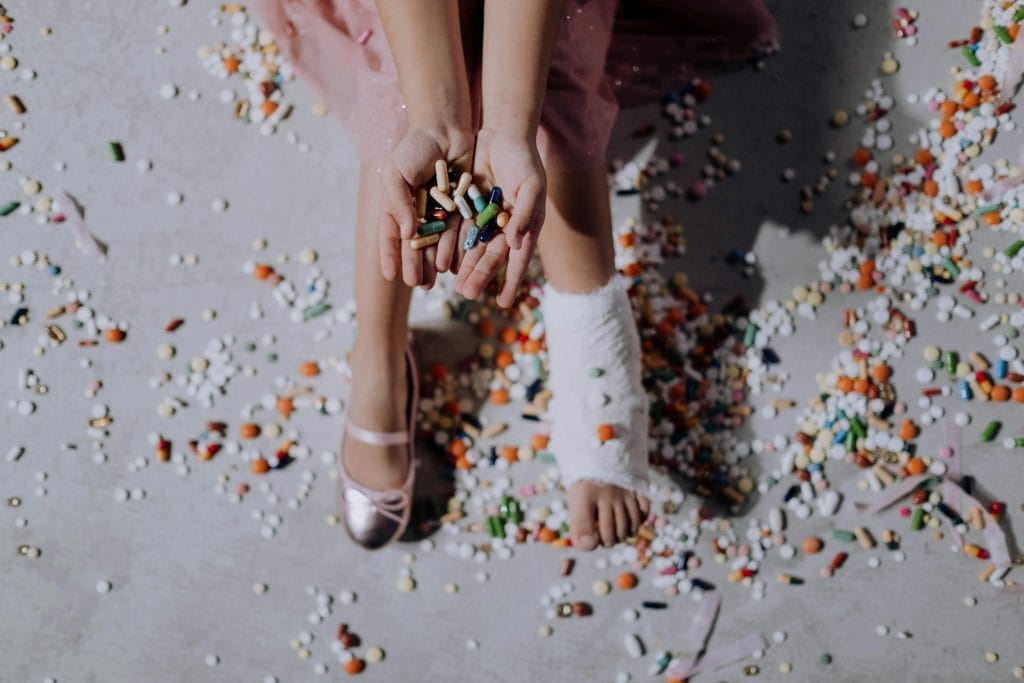
Scientists monitored 189 women, average age 52, as they progressed through menopause, using the latest equipment. They focused their attention on the femoral neck and shaft (diaphysis) and the tibial bones.
What did the researchers observe?
Exercises of medium and high intensity did slightly improve bone strength. However, even these exercises proved insufficient to slow the hormonal loss of bone mass during menopause.
The researchers also noticed that the intensity of the workouts gradually decreased over the observation period. Likewise, the small effect that exercises had on bone strength during the menopausal transition diminished as well.
A Comprehensive Approach
Does this mean the end of training? Not at all. In fact, it’s still crucial. Exercise can help prevent fractures, though indirectly. And not just fractures.
- A trained body and the ability to balance protect against falls and reduce the consequences if you do fall. Exercise also extends the number of healthy years—the time when you can get up without assistance.
- Workouts positively impact cardiovascular health, which is especially important after menopause.
- Muscles play a crucial role in metabolic health—they are now recognized as an endocrine organ. Exercise enhances insulin sensitivity and requires significant glucose, helping to control blood sugar.
- Exercise protects the brain: it improves cognitive functions and delays the development of neurodegenerative diseases, including Alzheimer’s.
- Regular physical activity, even moderate, can significantly improve mood and reduce symptoms of anxiety and depression.
- Finally, exercise increases cardiovascular fitness, which is a reliable indicator of overall health.
So, the benefits of exercise are clear, but what about the bones? How do we protect them and reduce bone loss during menopause?
Protecting Bones Wisely
Since exercise alone doesn’t provide complete protection, a new effective strategy is necessary. Here are five things that, in combination with physical activity, will help reduce bone mass loss.
- Hormone Replacement Therapy (HRT). Several randomized controlled trials have shown that HRT effectively reduces bone mass loss and lowers the risk of hip, spinal, and other osteoporosis-related fractures. However, it’s important to not miss the “therapeutic window” for treatment—this is where your doctor comes in. Your task is regular visits to specialists and timely screenings.
- Harmful habits. Quit smoking, at least for the sake of your bones. This harmful habit literally sucks calcium out of them. Likewise, alcohol not only decreases the body’s ability to absorb calcium and vitamin D, but also disrupts the production of hormones necessary for skeletal health. Prolonged alcohol consumption, especially during adolescence and young adulthood, can significantly reduce bone quality and increase the risk of osteoporosis. Additionally, studies show that the effects of excessive alcohol consumption on bones cannot be undone, even if drinking is stopped.
- Smart nutrition. Calcium plus vitamin D is essential. But it’s significant not just to consume them, but also to ensure proper absorption. Again, your doctor and regular screenings will help here;
- Blood sugar control. Sweets increase calcium and magnesium secretion in urine and reduce the active form of vitamin D, diminishing calcium absorption in the gut. This increases the risk of osteoporosis and fractures;
- Stress management. Yes, stress also negatively impacts our bones. We cannot control all the daily challenges. However, we can control our ability to cope with stress. Daytime naps, even short ones—to compensate for nighttime wakefulness. A psychotherapist—to “digest” emotions and learn effective coping strategies. Walks in nature, gardening (even on a balcony), meditation, and yoga—all proven methods for managing stress. Learn more about stress management in our article All Is Bad—How to Find Support and New Meanings in Life.
Now you have the knowledge to make the right decisions. And that’s already half the battle in preserving your bone health. The other half is qualified medical support. Specialists at the “Lior” Medical Center can help here, as they have extensive experience in assisting women through all stages of menopause. For more details and to schedule an appointment, you can call +380 73 200 6198 or reach us via Telegram.